

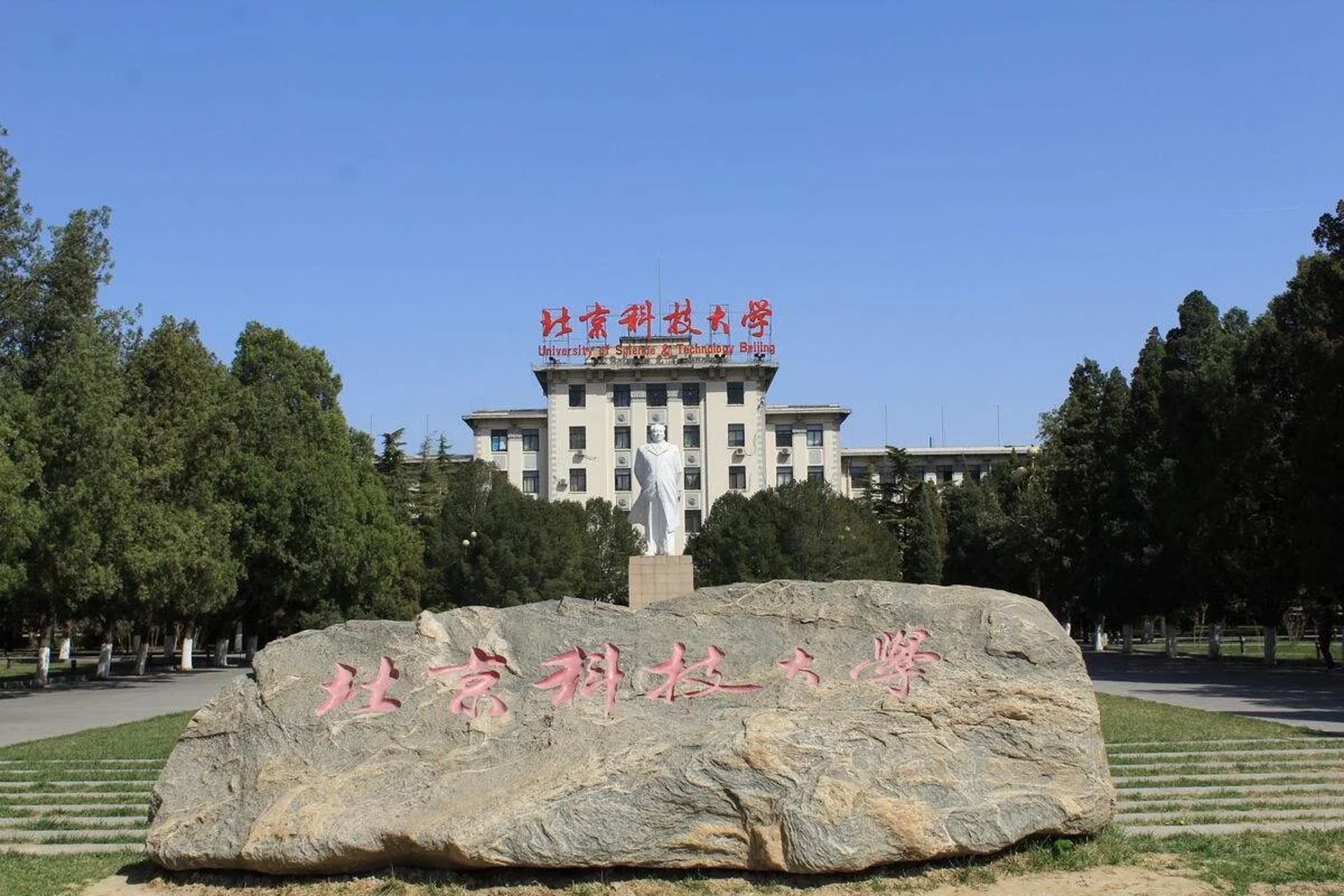
University of Science and Technology Beijing
History and Reputation
Founded in 1952 as the Beijing Institute of Steel and Iron, USTB has a rich history rooted in China’s industrial development. Over the decades, it has evolved into a comprehensive research university while maintaining its core strengths in materials science and metallurgical engineering.
Today, USTB is:
a member of Project 211 and Project 985 — China’s flagship programmes to develop world‑class universities;
consistently ranked among the top 50 universities in China;
recognised globally for its research in materials science, metallurgy and sustainable technologies;
home to several national key laboratories and research centres.
Are you looking for a world‑class education in science and engineering in China? Discover the University of Science and Technology Beijing (USTB) — a prestigious institution known for its excellence in metallurgy, materials science, engineering and technology.
Academic Excellence
USTB offers a wide range of undergraduate and postgraduate programmes across multiple disciplines. The university’s strengths lie in:
materials science and engineering;
metallurgical engineering;
mechanical engineering;
automation and electrical engineering;
computer science and technology;
environmental science and engineering;
economics and management (with a technological focus).
The university emphasises both theoretical knowledge and practical skills, ensuring graduates are well‑prepared for the workforce.
Rankings and Recognition
USTB’s academic and research excellence is reflected in various rankings:
ranked in the top 100 in the QS BRICS University Rankings;
top 100 in Asia according to THE Asia University Rankings;
subject‑specific strengths: top 1% globally in metallurgical engineering and materials science (according to ESI — Essential Science Indicators);
highly ranked in China for engineering disciplines.
Why Choose USTB?
1. World‑class research facilities. USTB houses numerous national and ministry‑level key laboratories, including:
the State Key Laboratory of Advanced Metals and Materials;
the National Engineering Research Centre for Advanced Rolling Technology;
cutting‑edge labs for nanotechnology, robotics and AI.
2. Strong industry connections. The university collaborates with leading companies and research institutions worldwide. Students benefit from:
internships at major corporations (e.g., Baosteel, China Metallurgical Group);
joint research projects with industry partners;
career fairs and recruitment events.
3. International environment. USTB welcomes students from around the globe. The international community includes:
over 2 000 international students from more than 60 countries;
exchange programmes with partner universities in Europe, North America and Asia;
English‑taught programmes for international students.
4. Comprehensive support for international students. The university provides:
dedicated international student office;
Chinese language courses;
accommodation in modern dormitories;
cultural integration programmes.
Study Programmes
Undergraduate programmes (4 years, mostly in Chinese):
Materials Science and Engineering;
Metallurgical Engineering;
Mechanical Engineering;
Automation;
Computer Science and Technology;
Environmental Engineering;
Applied Mathematics;
Economics and Management.
Campus and Facilities
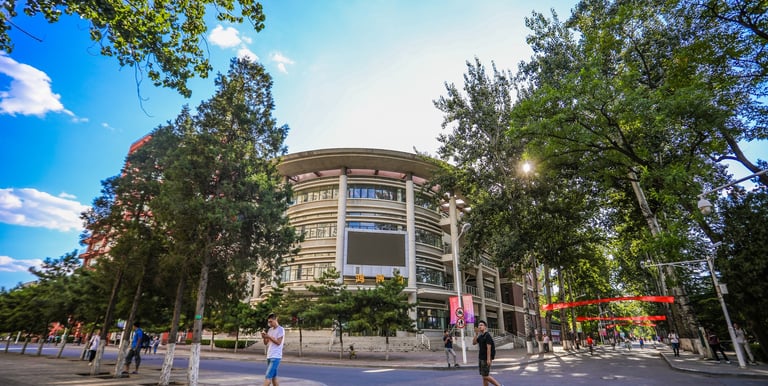
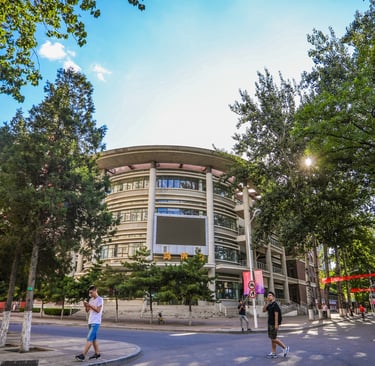
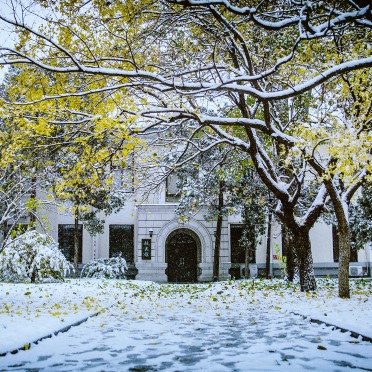
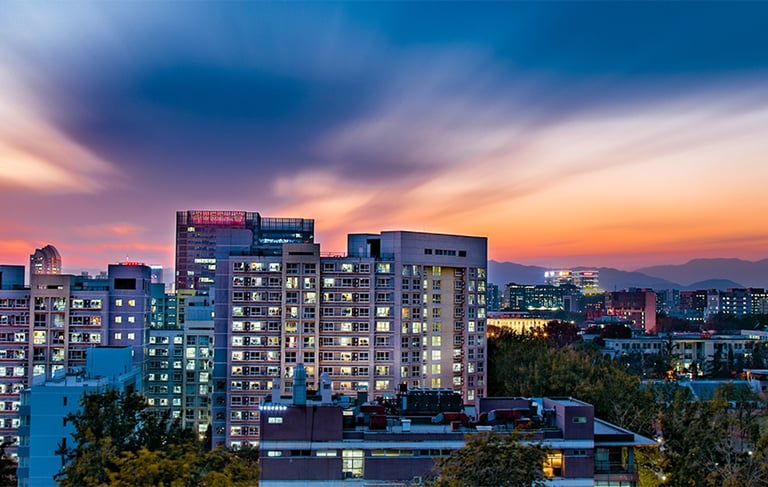
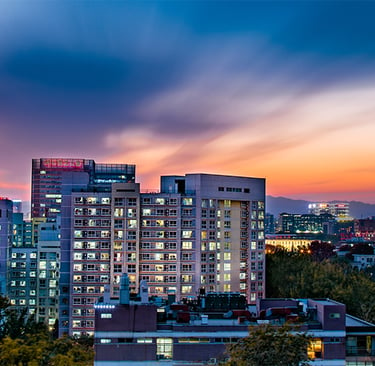
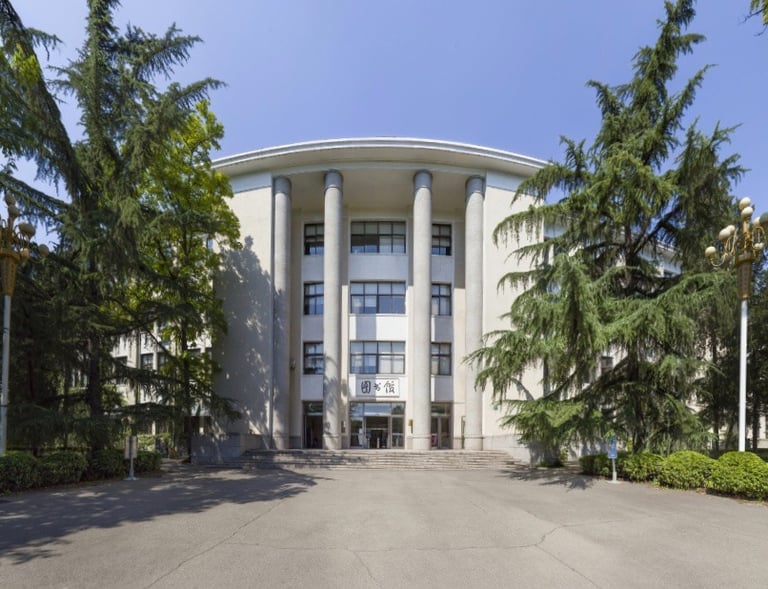
USTB’s campus in Haidian District, Beijing, offers a vibrant academic environment with:
modern teaching buildings and lecture halls;
advanced research laboratories;
comprehensive library with extensive academic resources;
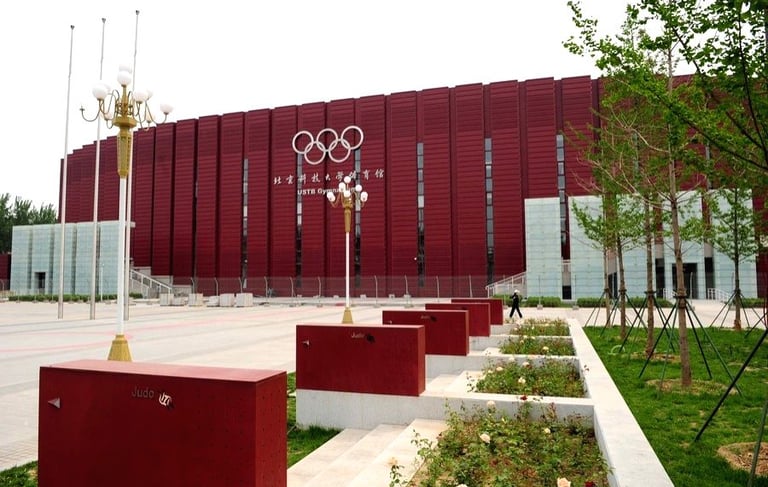
sports facilities (gymnasium, swimming pool, outdoor courts);
student activity centres;
dining halls offering diverse cuisines;
comfortable dormitories with Wi‑Fi and modern amenities.
Student Life
Beyond academics, USTB offers a rich student life experience:
student societies: over 100 clubs covering academic, cultural, sports and arts activities;
cultural events: international festivals, talent shows, cultural exchange programmes;
sports activities: inter‑university competitions, fitness programmes, martial arts clubs;
volunteer opportunities: community service projects, environmental initiatives;
excursions: trips to historical sites in Beijing and beyond.
USTB graduates are highly sought after in both China and internationally. Typical career paths include:
research scientist in national labs;
engineer in manufacturing and heavy industries;
technology specialist in high‑tech companies;
project manager in engineering firms;
consultant in technical and business advisory services;
academic researcher or university professor.
The Career Development Centre supports students through:
job fairs with top employers;
resume and interview workshops;
internship placement services;
alumni networking events.
Career Prospects
Why USTB Could Be Your Best Choice
USTB combines a long tradition of excellence in materials science and engineering with modern, forward‑thinking education. Here, you’ll:
learn from world‑renowned professors and researchers;
access state‑of‑the‑art facilities;
gain practical experience through industry collaborations;
build a global network of peers and professionals;
immerse yourself in China’s dynamic technological landscape.
Whether you aim to become a leading researcher, an innovative engineer or a technology entrepreneur, USTB provides the foundation for a successful career in science and technology.
Interested in learning more? Have questions? Leave a comment below — we’d love to help!
Graduate programmes (2–3 years):
Master of Science in Materials Science;
Master in Metallurgical Engineering;
Master in Mechanical Engineering;
Master in Computer Science;
Master in Environmental Science and Engineering;
MBA (with technological management focus).
Short‑term and language courses:
Chinese language and culture programmes;
summer schools in materials science and engineering;
research exchange opportunities.

Get a free consultation
Share your goals and we'll help you find the right path