

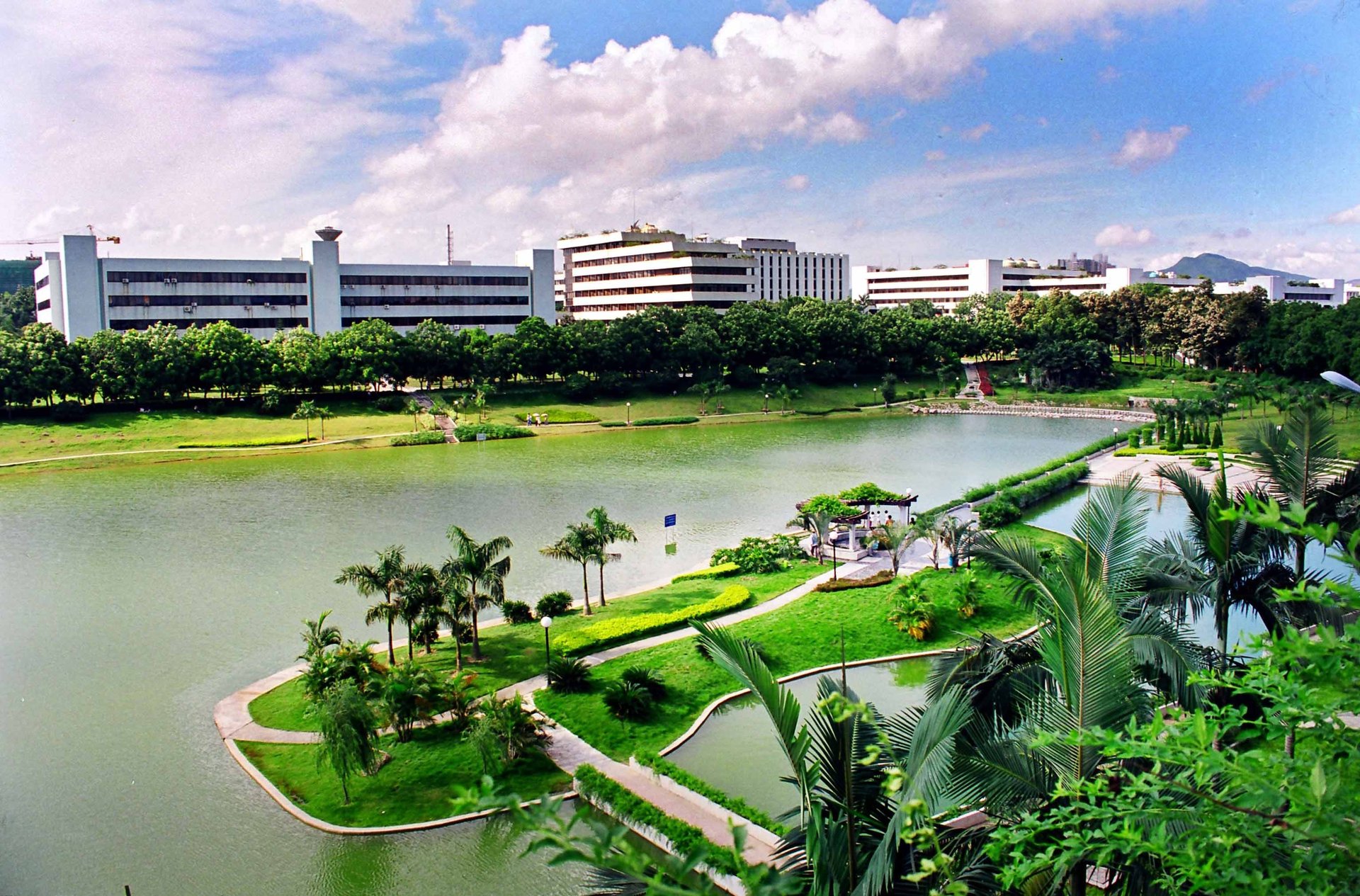
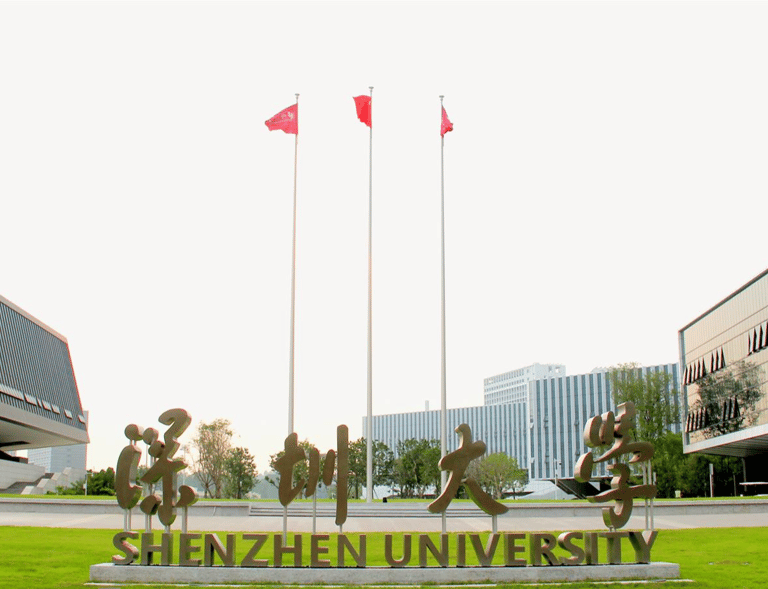
Shenzhen University
History and Evolution
Founded in 1983, Shenzhen University is relatively young compared to many Chinese institutions, but its growth has been nothing short of spectacular. The university was established just a few years after Shenzhen became China’s first Special Economic Zone, and it was designed to support the city’s rapid development by training highly skilled professionals.
Key milestones:
1983: Establishment of SZU with strong support from Peking University and Tsinghua University.
1990s: Expansion of academic programmes beyond traditional disciplines to include business, design, and IT.
2000s: Development of research infrastructure and international partnerships.
2015: Inclusion in Guangdong’s “High‑Level University Construction Plan”.
2020s: Emergence as a leading institution in artificial intelligence, biotechnology, and urban development studies.
SZU’s history mirrors Shenzhen’s transformation from a small fishing village to a global innovation powerhouse.
Looking for a dynamic university in one of China’s most innovative cities? Shenzhen University (SZU) might be your perfect choice. Located in the heart of Shenzhen — a global hub for technology, entrepreneurship and modern culture — SZU combines academic rigour with real‑world opportunities. In this article, we’ll explore what makes Shenzhen University a standout destination for students from around the world.
Location and Campuses
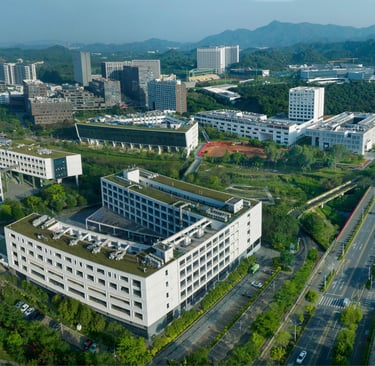
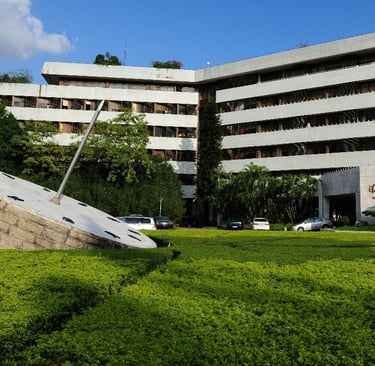
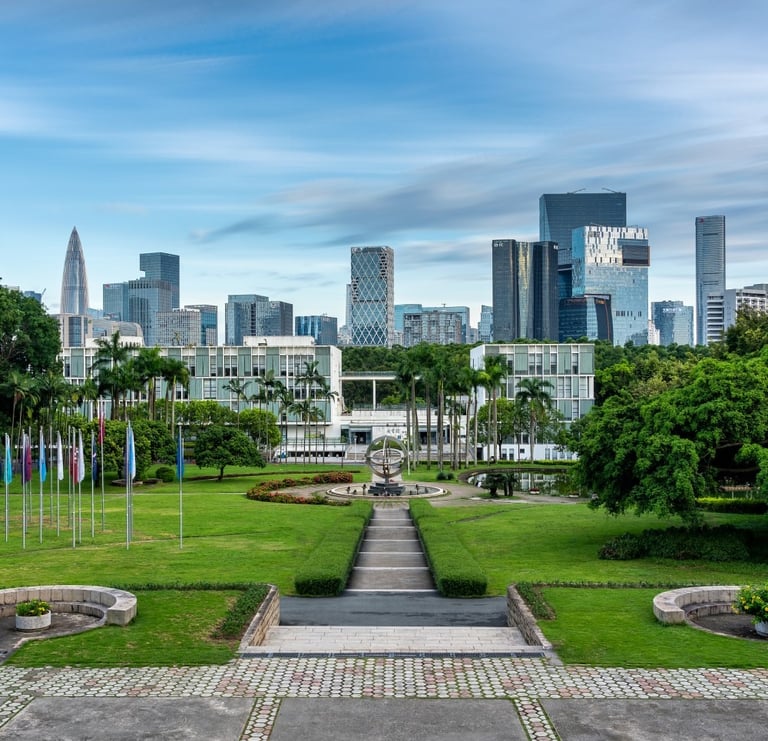
Shenzhen University is located in Shenzhen, Guangdong province — one of China’s most dynamic and forward‑looking cities. Known as “China’s Silicon Valley”, Shenzhen is home to tech giants like Huawei, Tencent, and DJI, offering unparalleled internship and career opportunities.
The university operates three main campuses:
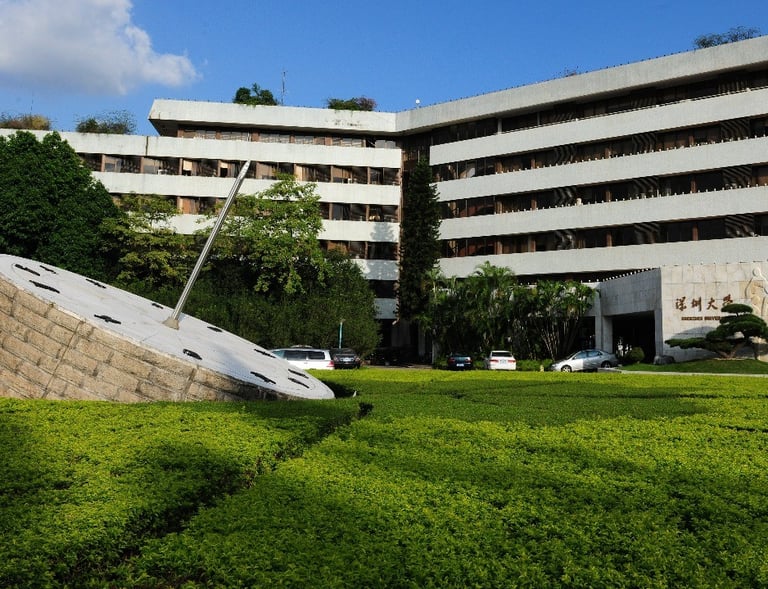
Caiwuwei Campus (original campus) — central location with historic buildings;
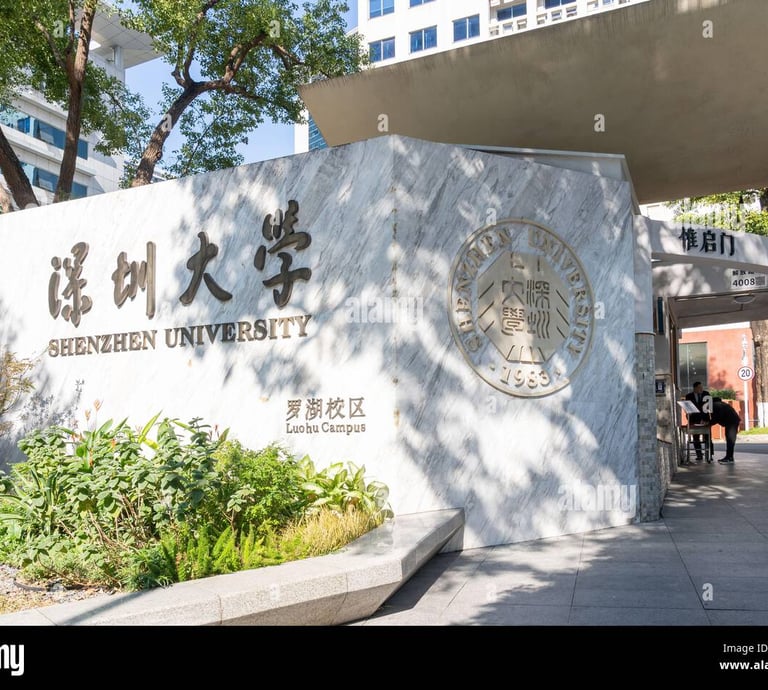
Louhu Campus — focuses on continuing education;
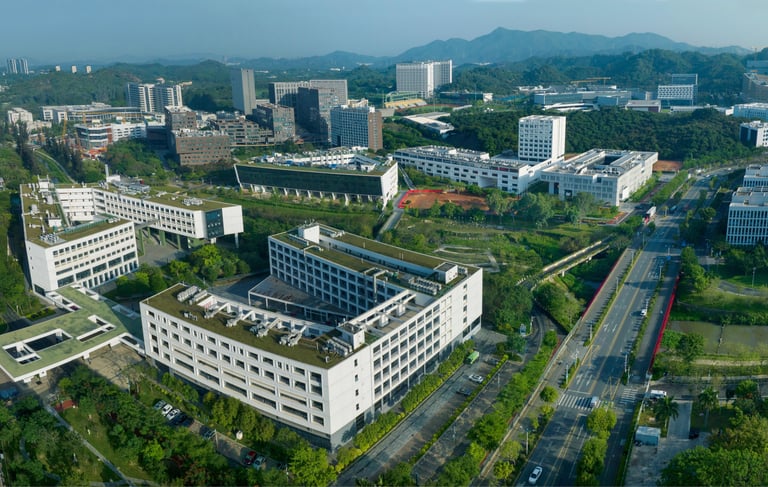
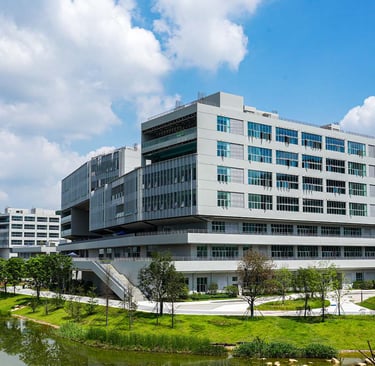
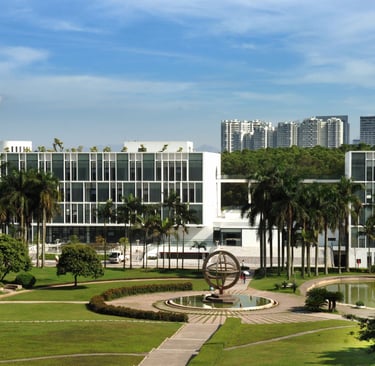
Nanshan Campus (main campus) — modern facilities in Shenzhen’s high‑tech district.
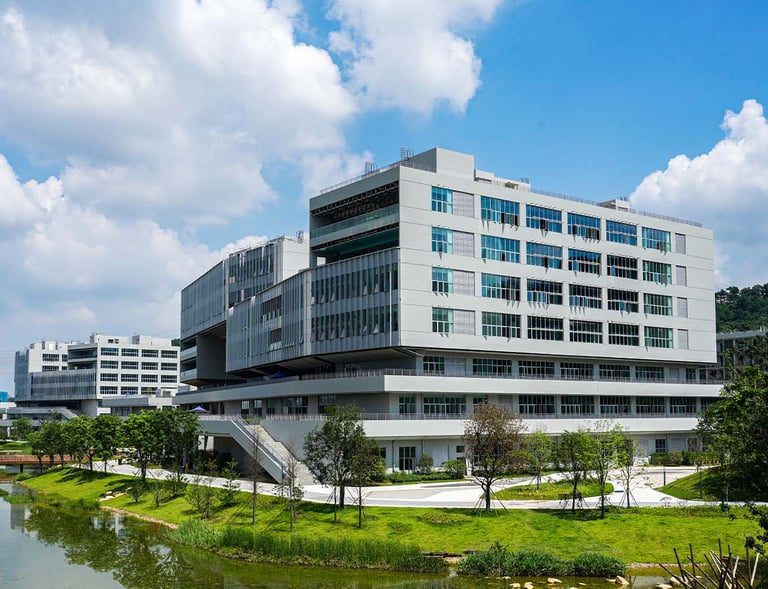
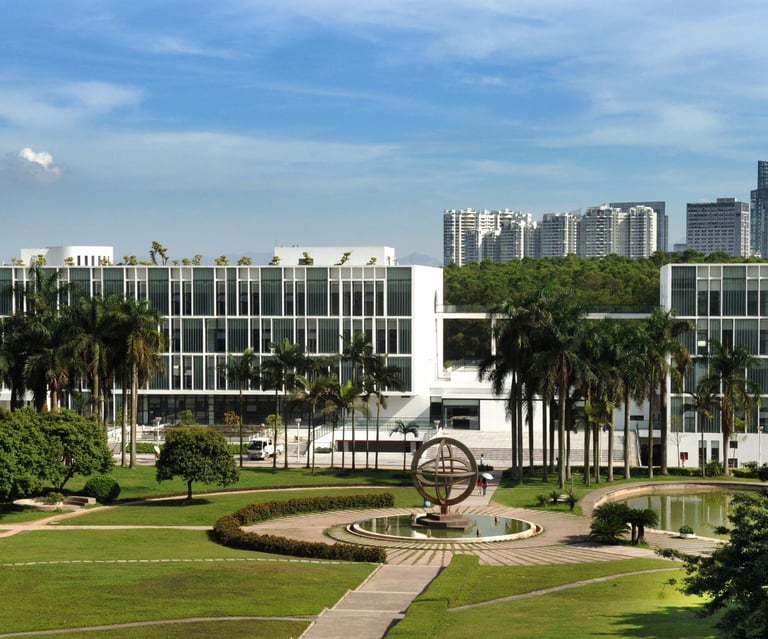
Together, the campuses span over 3 km² and offer:
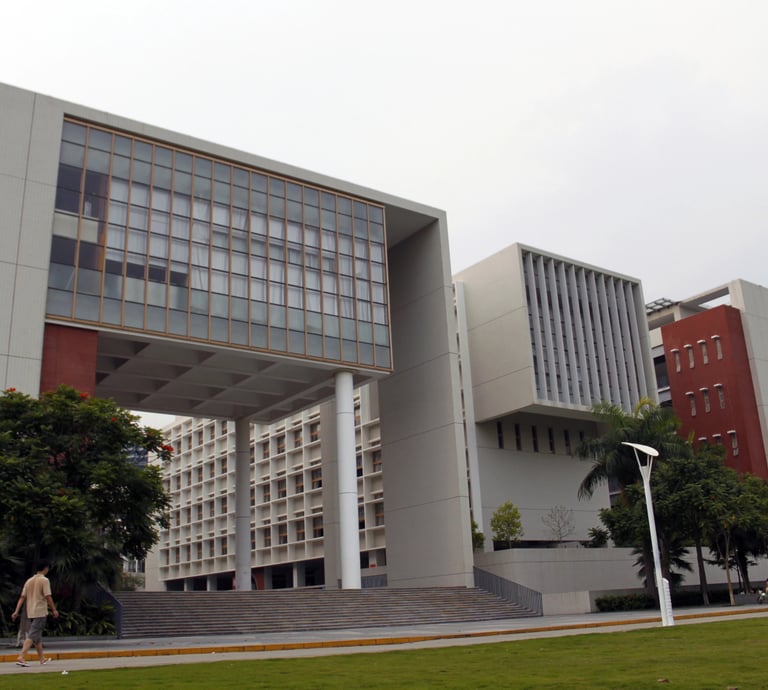
modern academic buildings with smart classrooms;
state‑of‑the‑art research laboratories;
extensive libraries with digital resources;
sports complexes (Olympic‑size swimming pool, stadiums, gyms);
comfortable student dormitories with modern amenities;
innovation hubs and startup incubators.
Academic Excellence and Programmes
SZU offers a wide range of academic programmes across multiple disciplines. With more than:
70+ undergraduate programmes;
100+ postgraduate programmes;
30+ doctoral programmes,
the university caters to diverse academic interests.
Key faculties and colleges include:
Science and Technology:
College of Electronics and Information Engineering;
College of Computer Science and Software Engineering;
College of Physics and Energy;
College of Chemistry and Environmental Engineering.
Business and Economics:
College of Economics;
College of Management;
College of Public Administration.
Research and Innovation
SZU places strong emphasis on research and innovation, particularly in areas aligned with Shenzhen’s economic strengths. The university hosts over 30 research institutes and laboratories, many in collaboration with industry partners.
Notable research areas include:
artificial intelligence and big data;
robotics and automation;
biotechnology and medical engineering;
sustainable urban development;
new materials and nanotechnology;
digital media and creative industries;
financial technology and innovation management.
SZU collaborates with leading companies and research institutions worldwide, providing students with opportunities to work on cutting‑edge projects.
International Student Community
SZU welcomes a growing number of international students — currently over 1 000 students from more than 80 countries study at the university. To support international learners, SZU offers:
English‑taught undergraduate and postgraduate programmes (especially in business, engineering, and computer science);
Chinese language and culture courses;
short‑term exchange and internship opportunities with Shenzhen’s tech companies;
modern student dormitories;
academic and language support services;
cultural exchange and adaptation programmes;
international student associations and clubs.
These resources help international students integrate smoothly into campus life and make the most of their educational experience in China’s innovation capital.
Student Life and Activities
Campus life at SZU is vibrant and multifaceted. Students can engage in a wide array of activities:
tech clubs and hackathons;
entrepreneurship societies and startup incubators;
sports clubs and competitions (football, basketball, martial arts, swimming);
cultural and creative societies (music, dance, drama, art, photography);
volunteer and community service projects;
student festivals and cultural celebrations (International Day, Spring Festival events);
career fairs and industry networking events.
This rich extracurricular scene encourages personal growth, teamwork, and leadership skills — qualities that complement academic learning.
Rankings and Recognition
SZU’s academic and research achievements are reflected in its performance in global rankings. The university is ranked:
among the top 100 universities in China;
#701–800 in the QS World University Rankings 2024;
within the top 200 in Asia according to various regional rankings;
highly ranked in subject‑specific lists for computer science, business, and design;
top 50 in China for innovation and entrepreneurship education.
These accolades confirm SZU’s status as a rising star in China’s higher education landscape and a competitive player on the global stage.
Since its founding, SZU has educated over 200 000 graduates at all levels. Many alumni have gone on to make significant contributions in fields such as:
technology and software development;
business and finance;
design and media;
government and public policy;
academia and research.
The university’s strong ties with Shenzhen’s thriving industries provide current students with valuable internship and job opportunities. Graduates are highly sought after by employers in China and abroad, particularly in tech companies, financial institutions, and creative industries.
Alumni Network and Career Prospects
Conclusion
Shenzhen University stands out as a dynamic and forward‑looking institution that embodies the spirit of innovation. Whether you’re passionate about technology, business, design, or the humanities, SZU provides the resources, expertise, and community to help you achieve your academic and professional goals. Consider SZU for a transformative educational experience in the heart of China’s most exciting city!
Would you like to know more about specific programmes or student services at SZU? Feel free to ask in the comments below!
Why Choose SZU?
Here’s a quick summary of what makes Shenzhen University an excellent choice:
Academic prestige: A rapidly rising university with strong industry connections.
Strategic location: Situated in Shenzhen — “China’s Silicon Valley” with abundant career opportunities.
Diverse programmes: Over 200 degree options across technology, business, humanities, and arts.
Research focus: Cutting‑edge facilities and collaborations in key innovation areas.
International environment: A multicultural campus with strong support for overseas students.
Rich student life: Numerous clubs, sports, cultural activities, and innovation events.
Career support: Strong industry connections in one of the world’s most dynamic economic regions.
Humanities and Social Sciences:
College of Humanities;
College of Law;
College of Marxism;
College of International Studies.
Arts and Design:
College of Art and Design;
College of Music;
College of Media and Communication.
Interdisciplinary and Emerging Fields:
College of Life Sciences;
College of Medicine;
Institute of Artificial Intelligence.
Many programmes integrate theoretical knowledge with practical skills, preparing students for the demands of the modern workforce.
How to Apply
If you’re interested in studying at SZU, here are the basic steps:
Visit the official website (www.szu.edu.cn/en/) and complete the online application.
Prepare required documents:
passport copy;
certified academic transcripts and diplomas;
language proficiency certificate (IELTS/TOEFL for English programmes, HSK for Chinese programmes);
personal statement or research proposal (for postgraduate applicants);
two letters of recommendation (for postgraduate applicants).
Submit your application by the deadline (typically March 1 — June 15 for autumn intake).
Await the admission decision and follow further instructions for visa and accommodation arrangements.

Get a free consultation
Share your goals and we'll help you find the right path