

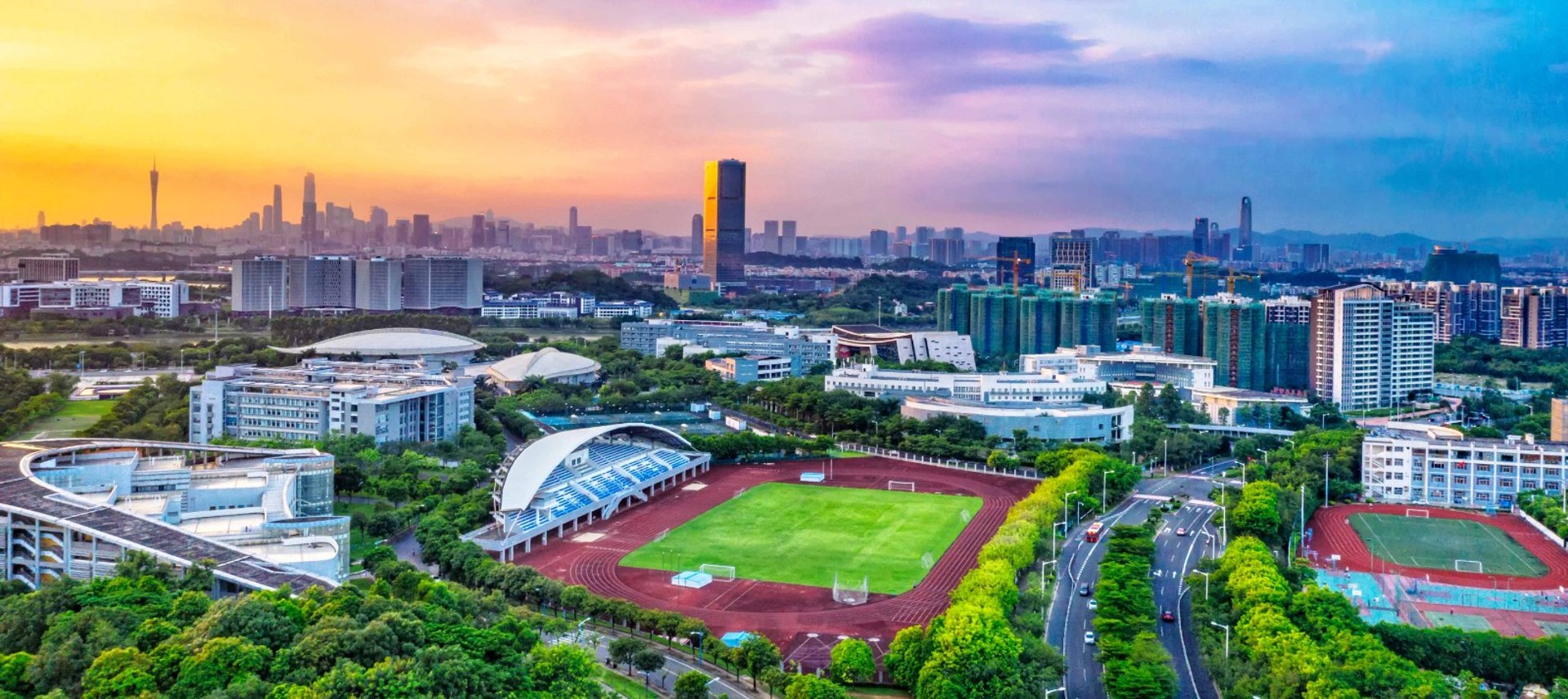
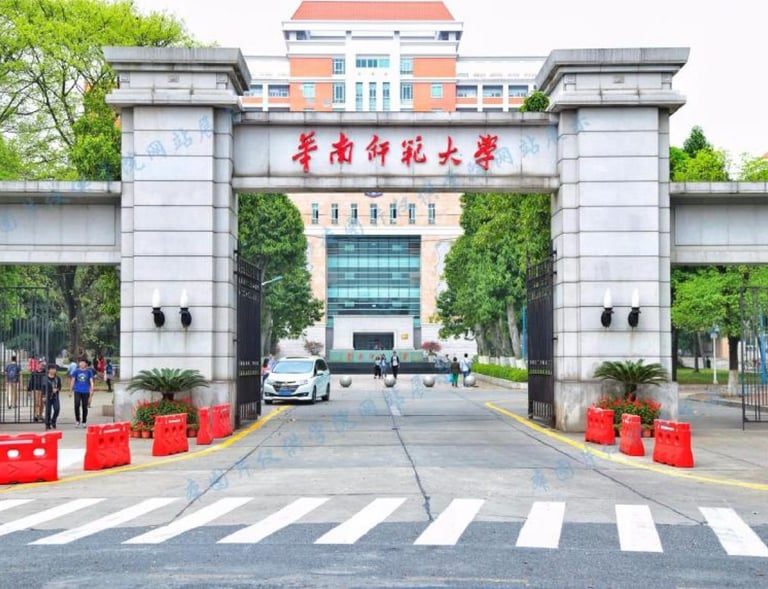
South China Normal University
History and Legacy
Founded in 1933 as the Guangdong Provincial College of Education, SCNU has a rich history spanning nearly a century. The university was established to train high‑quality teachers and educators for China’s growing school system. Over the years, it has evolved into a comprehensive institution offering diverse academic programmes while maintaining its core mission of educational excellence.
Key milestones:
1982: Renamed South China Normal University, reflecting its expanded academic scope.
1996: Admitted into Project 211 — a national initiative to support China’s top 100 universities.
2017: Included in China’s Double First‑Class University Plan, aimed at building world‑class universities and disciplines.
2020s: Expanded international partnerships and online education offerings in response to global trends.
Today, SCNU combines its pedagogical heritage with modern research and education, maintaining a strong focus on innovation in teaching and learning.
Are you looking for a university in China that combines academic excellence with a strong focus on teacher training and human development? South China Normal University (SCNU) could be your perfect choice. Located in Guangzhou, Guangdong province, SCNU is one of China’s most respected institutions for education, humanities, and social sciences. In this article, we’ll explore what makes SCNU a standout destination for students from around the world.
Location and Campuses
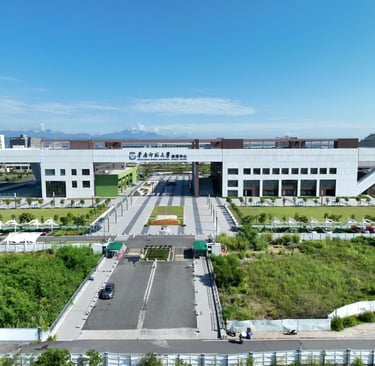
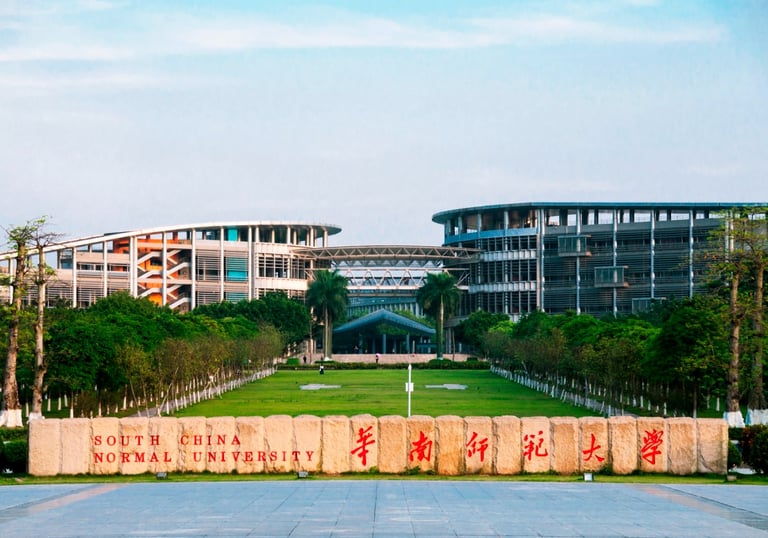
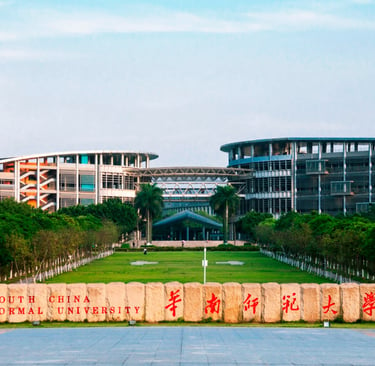
SCNU is located in Guangzhou, a vibrant metropolis that serves as a major economic, cultural, and educational hub in southern China. The university operates three main campuses:
Shipai Campus (main campus) — historic heart of the university;
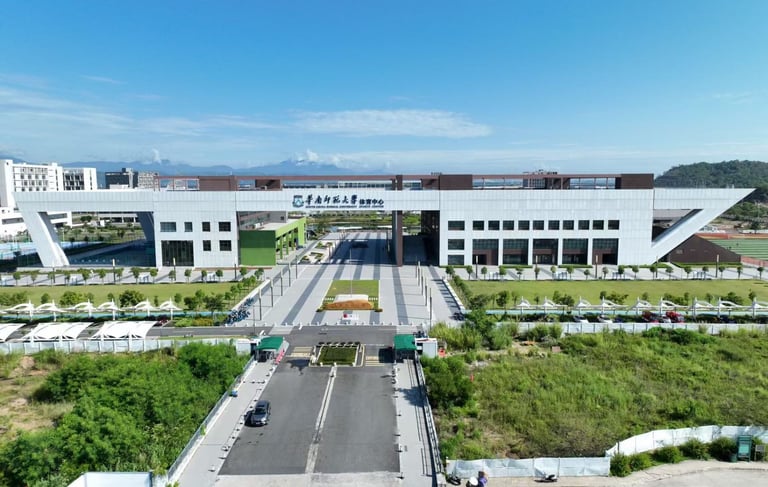
University Town Campus — modern facilities in Guangzhou Higher Education Mega Center;
Nanhai Campus — focuses on continuing education and professional development.
Together, the campuses span over 200 hectares and offer:
modern academic buildings with smart classrooms;
state‑of‑the‑art research laboratories;
extensive libraries with rich collections in education and humanities;
sports complexes (gyms, stadiums, swimming pools);
comfortable student dormitories with modern amenities;
cultural centres and art studios.
Guangzhou’s strategic location in the Pearl River Delta provides students with access to numerous schools, research institutions, and international opportunities.
Academic Excellence and Programmes
SCNU offers a wide range of academic programmes across multiple disciplines. With more than:
80+ undergraduate programmes;
150+ postgraduate programmes;
90+ doctoral programmes,
the university caters to diverse academic interests.
Key faculties and schools include:
Education and Teacher Training:
Faculty of Education;
School of Teacher Education and Development;
College of Elementary Education;
Institute of Special Education.
Humanities and Social Sciences:
School of Chinese Language and Literature;
School of Foreign Studies;
School of History and Culture;
School of Philosophy and Sociology;
School of Law.
Research and Innovation
SCNU places strong emphasis on research and innovation, particularly in education, psychology, and social sciences. The university hosts over 40 research institutes and centres, many of which are designated as key national and provincial scientific centres.
Notable research areas include:
educational psychology and cognitive science;
curriculum development and instructional design;
language acquisition and bilingual education;
environmental sustainability and geography;
information technology in education;
social policy and community development;
arts and cultural studies.
SCNU collaborates with leading academic institutions worldwide, fostering joint research projects and student/faculty exchange programmes. This global engagement enhances the quality of education and research, preparing students for international careers.
International Student Community
SCNU welcomes a growing number of international students — currently over 1 200 students from more than 50 countries study at the university. To support international learners, SCNU offers:
English‑taught undergraduate and postgraduate programmes (particularly in education, psychology, and Chinese language studies);
Chinese language and culture courses (including HSK preparation);
short‑term exchange and internship opportunities;
modern student dormitories;
academic and language support services;
cultural exchange and adaptation programmes;
international student associations and clubs.
These resources help international students integrate smoothly into campus life and make the most of their educational experience in China.
Student Life and Activities
Campus life at SCNU is vibrant and multifaceted. Students can engage in a wide array of activities:
education clubs and teaching practicum groups;
psychological counselling and peer support networks;
sports clubs and competitions (traditional Chinese martial arts, basketball, badminton, etc.);
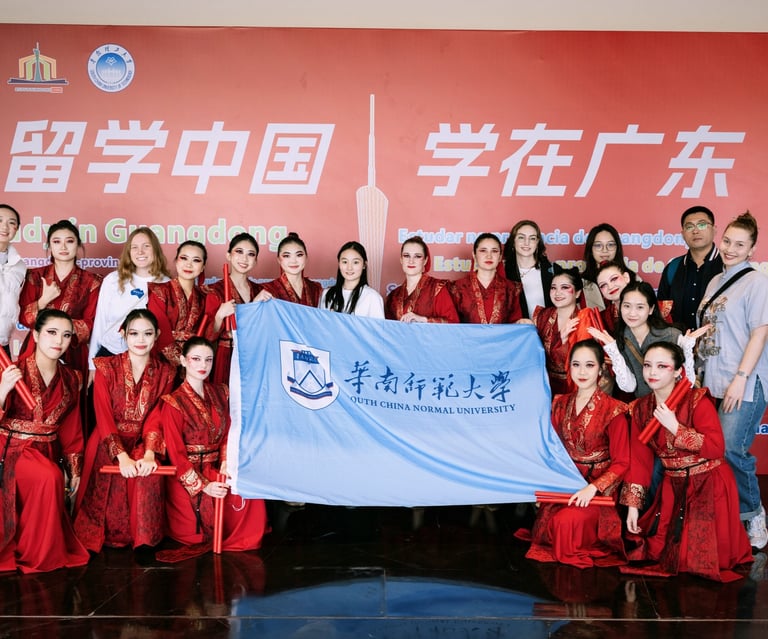
cultural and creative societies (music, dance, drama, art, calligraphy);
volunteer and community service projects (tutoring, elder care, environmental protection);
student festivals and cultural celebrations (International Day, Lantern Festival, etc.).
This rich extracurricular scene encourages personal growth, teamwork, and leadership skills — qualities that complement academic learning.
Rankings and Recognition
SCNU’s academic and research achievements are reflected in its performance in global rankings. The university is ranked:
among the top 3 normal (teacher training) universities in China;
#601–650 in the QS World University Rankings 2024;
within the 101–150 range in the QS WUR by Subject for Education;
highly ranked in subject‑specific lists for psychology, linguistics, and social sciences;
top 100 in Asia according to various regional rankings.
These accolades confirm SCNU’s status as a leading institution in teacher education in Asia and a competitive player on the global stage.
Since its founding, SCNU has educated over 250 000 graduates at all levels. Many alumni have gone on to make significant contributions in fields such as:
education and school administration;
psychology and counselling;
government and public policy;
media and communications;
academia and research.
The university’s strong ties with schools, educational organisations, and government agencies provide current students with valuable internship and job opportunities. Graduates are highly sought after by employers in China and abroad, particularly in educational institutions, research centres, and cultural organisations.
Alumni Network and Career Prospects
Conclusion
South China Normal University stands out as a dynamic and forward‑looking institution that blends tradition with innovation. Whether you’re passionate about teaching, psychology, language studies, or cultural development, SCNU provides the resources, expertise, and community to help you achieve your academic and professional goals. Consider SCNU for a transformative educational experience in the heart of China’s vibrant Guangdong province!
Would you like to know more about specific programmes or student services at SCNU? Feel free to ask in the comments below!
Why Choose SCNU?
Here’s a quick summary of what makes South China Normal University an excellent choice:
Academic prestige: A top‑ranked normal university with a nearly century‑long history of excellence in education.
Diverse programmes: Over 300 degree options across education, humanities, sciences, and arts.
Research focus: Cutting‑edge facilities and collaborations in key innovation areas, especially in educational research.
International environment: A multicultural campus with strong support for overseas students.
Prime location: Situated in Guangzhou — a thriving economic and cultural centre.
Rich student life: Numerous clubs, sports, and cultural activities.
Career support: Strong industry connections in education sector and an influential alumni network.
Natural Sciences:
School of Chemistry and Chemical Engineering;
School of Physics;
School of Mathematics;
School of Biological Science and Bioengineering.
Humanities and Social Sciences:
School of Economics and Management;
School of Humanities and Social Sciences;
School of Journalism and Communication;
School of Foreign Languages;
School of Design.
About 30 % of SCUT students pursue studies in humanities and social sciences, reflecting the university’s commitment to a well‑rounded education.
How to Apply
If you’re interested in studying at SCNU, here are the basic steps:
Visit the official website (www.scnu.edu.cn/en/) and complete the online application.
Prepare required documents:
passport copy;
certified academic transcripts and diplomas;
language proficiency certificate (IELTS/TOEFL for English programmes, HSK for Chinese programmes);
personal statement or research proposal (for postgraduate applicants);
two letters of recommendation (for postgraduate applicants).
Submit your application by the deadline (typically March 1 — June 1 for autumn intake).
Await the admission decision and follow further instructions for visa and accommodation arrangements.

Get a free consultation
Share your goals and we'll help you find the right path